EU PHARMA FORUM
Be part of an important discussion about the new EU regulation for the innovative and generic pharmaceutical industry!
April 15, 2025 Hotel International
Miramarska cesta 24, Zagreb – Hall Market I




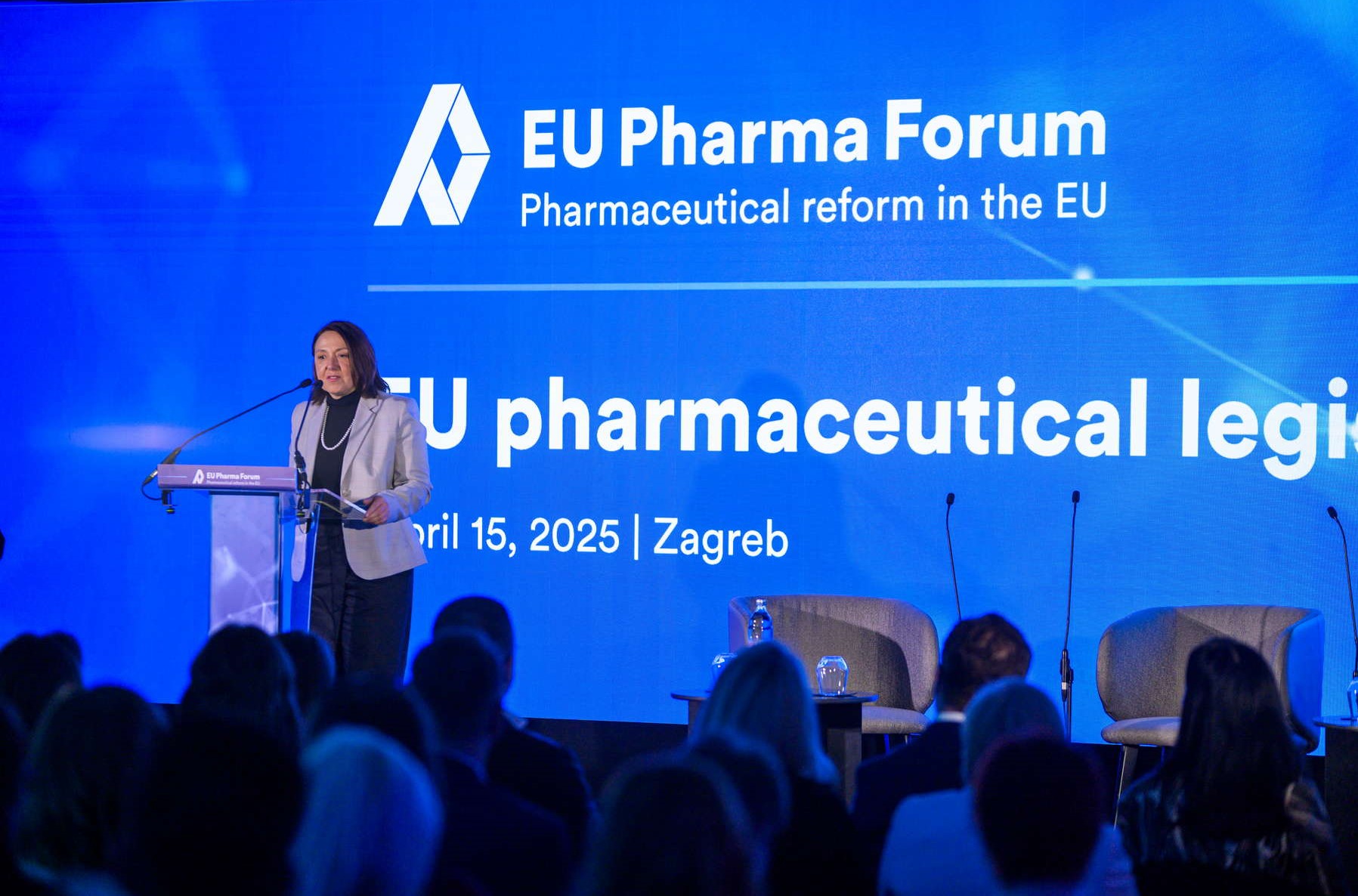










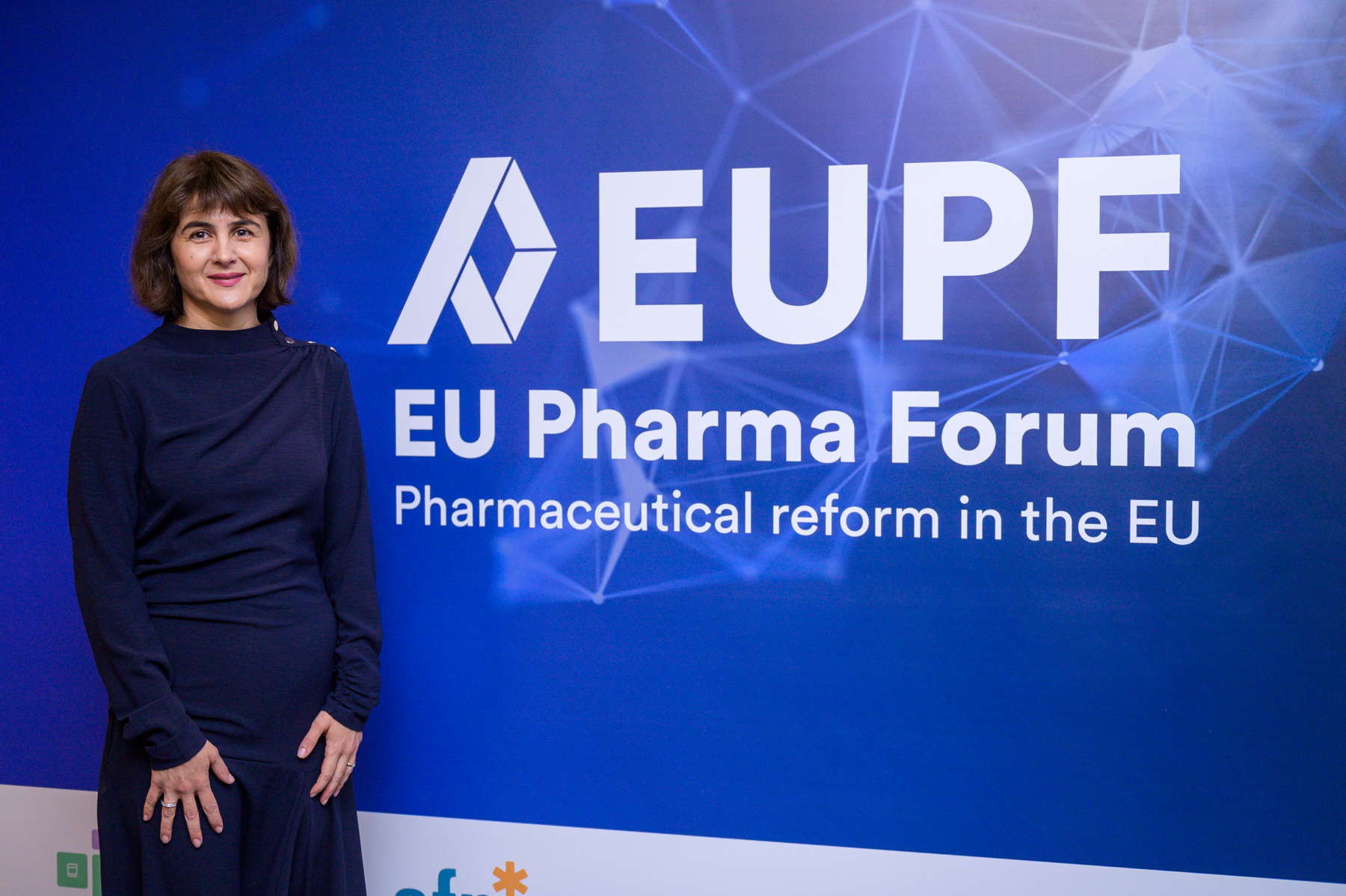
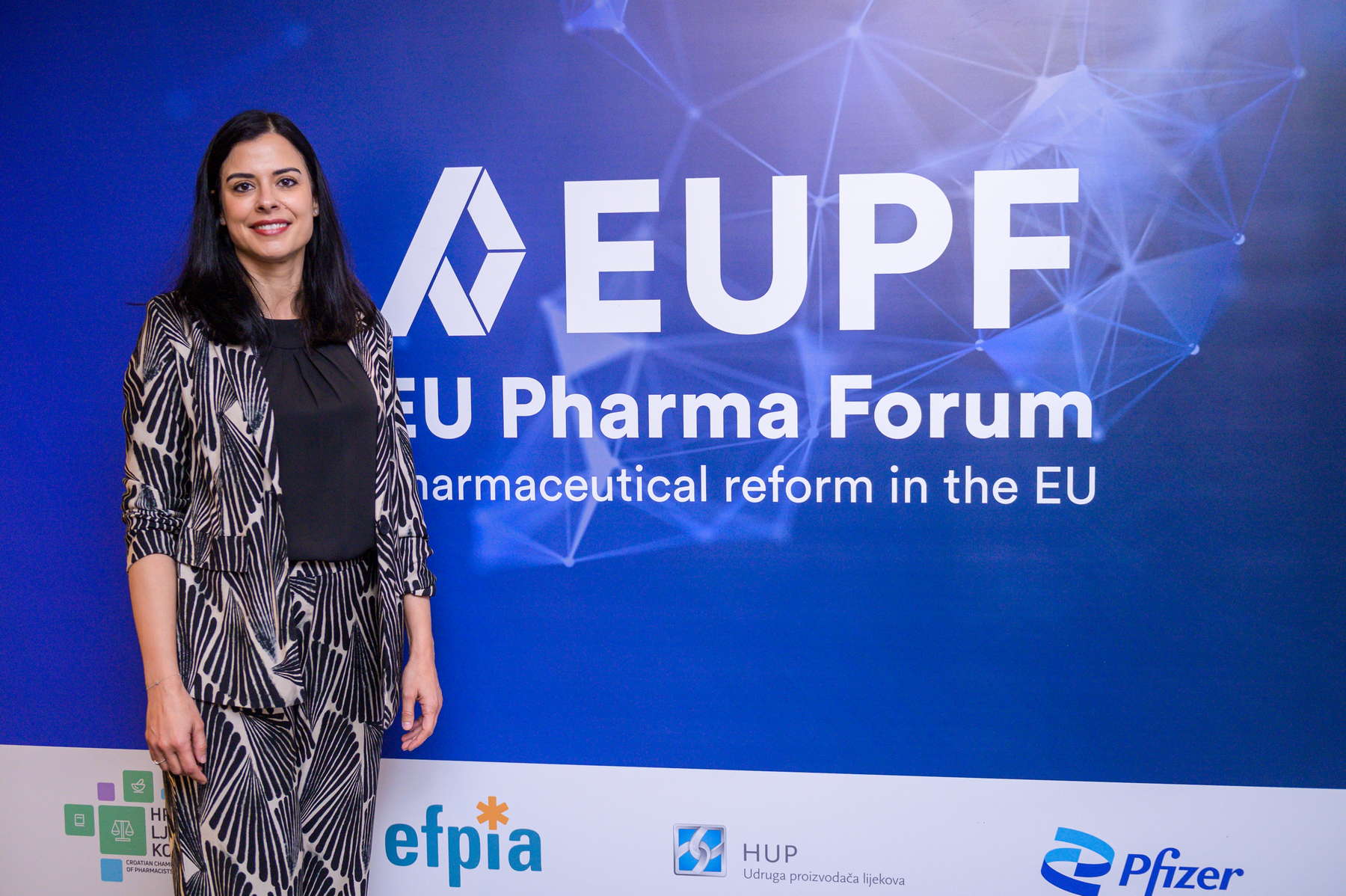






















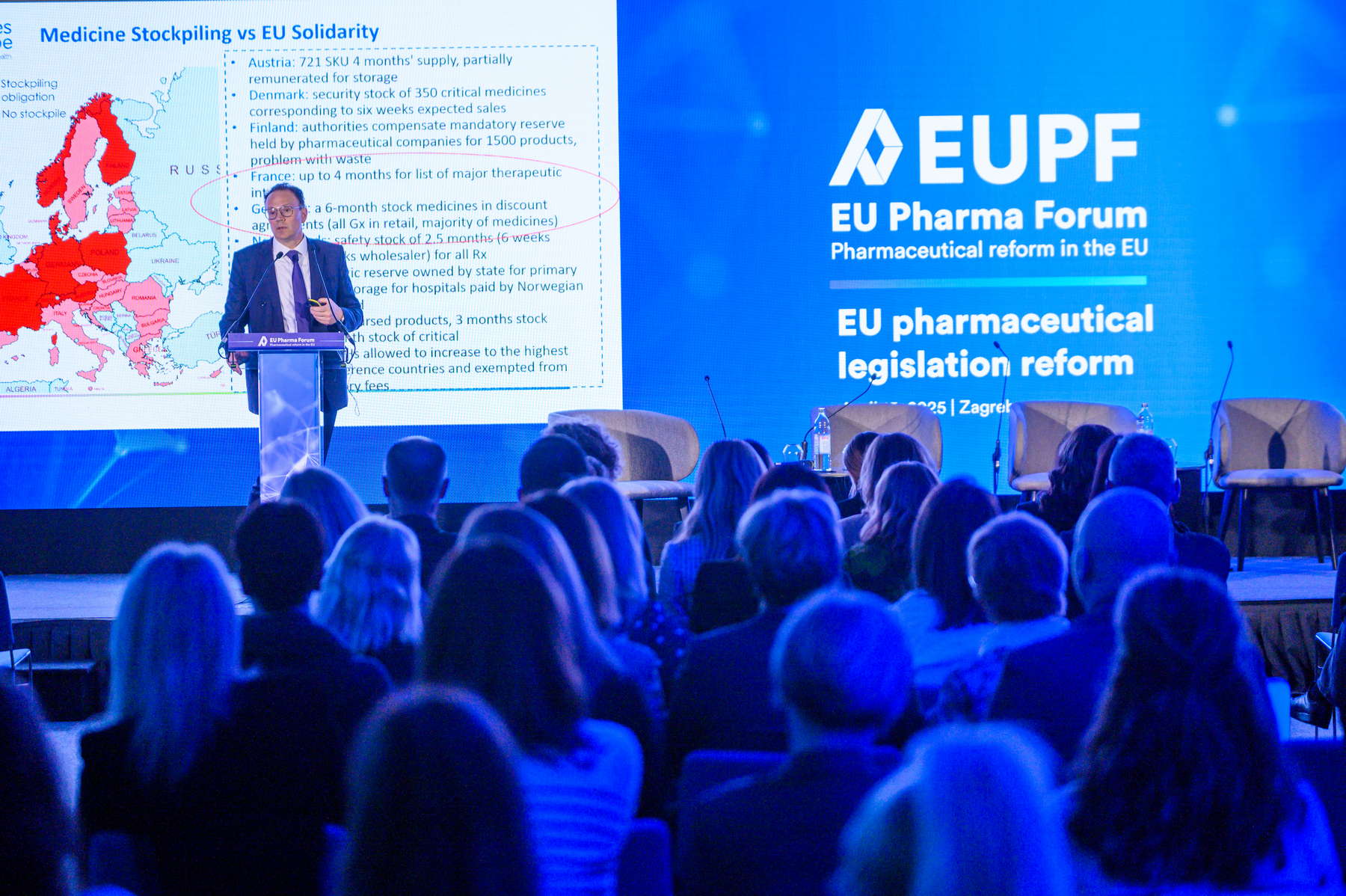









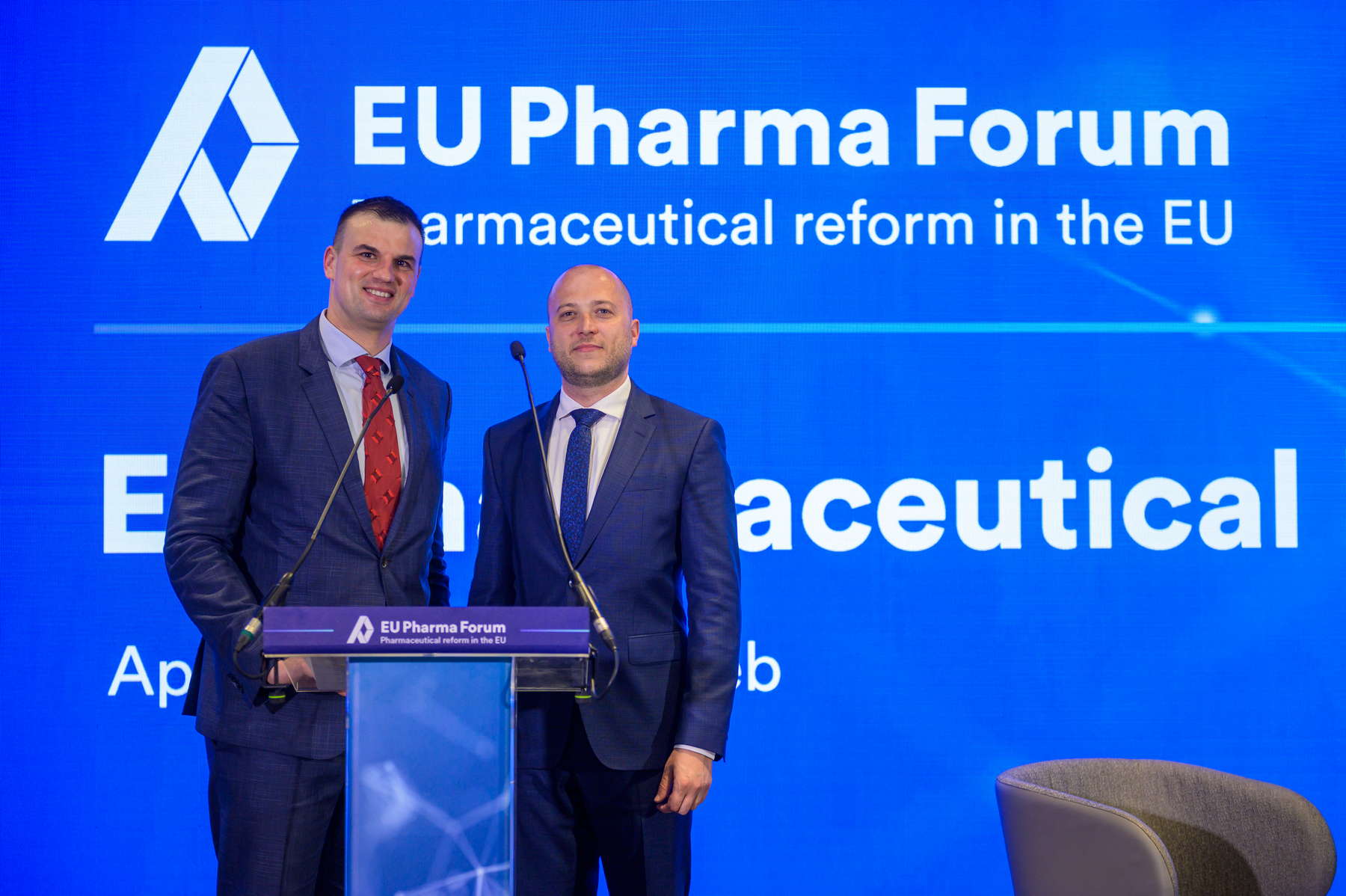



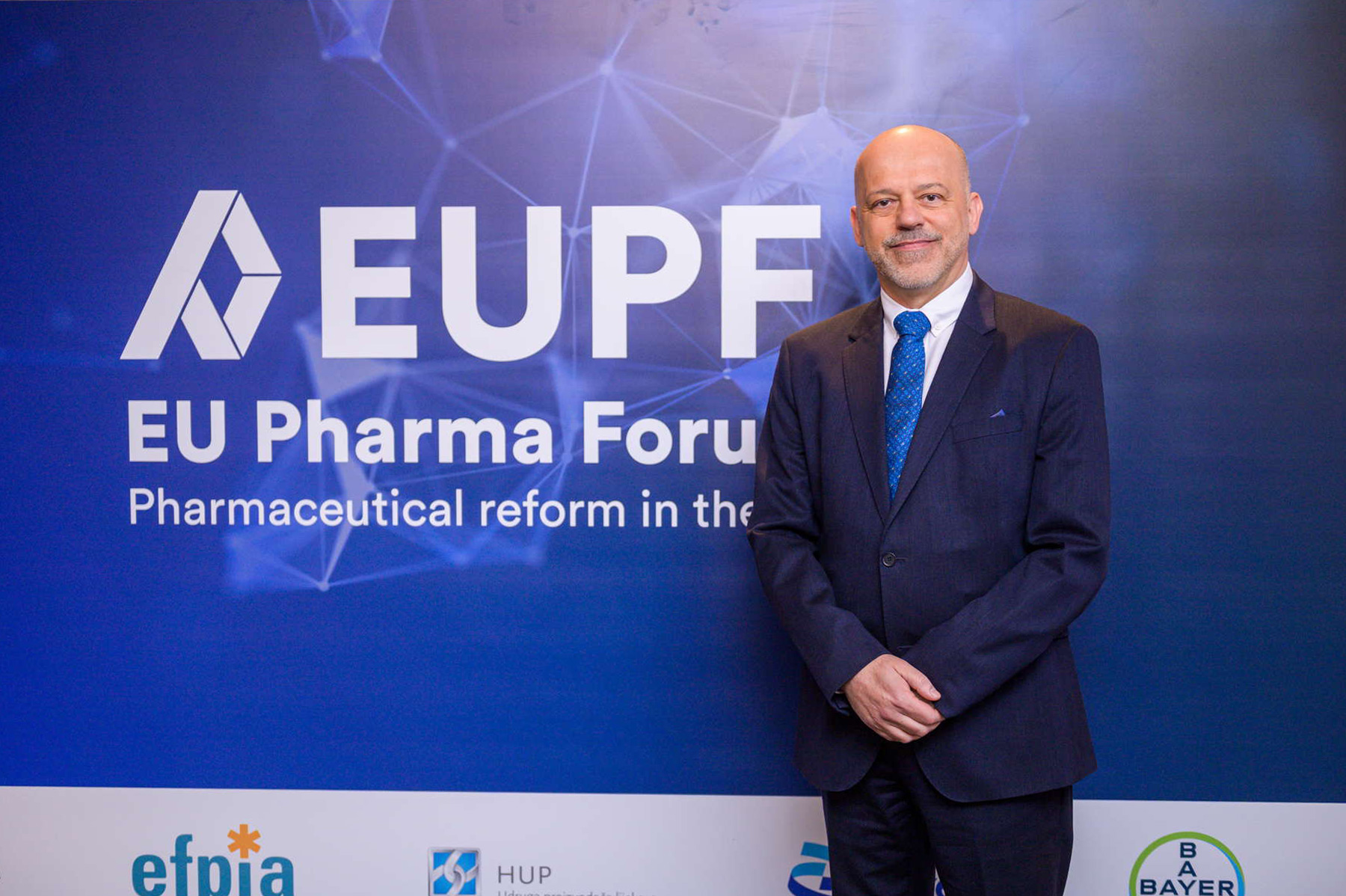



It is crucial to regulate processes so that medicines, once available on the EU market, become available to Croatian patients as quickly as possible and at an affordable price, with the Pharma Package enabling fairer access even in smaller countries like Croatia. At the same time, we must clearly define which medicines are considered critical and determine the level of EU reserves needed to prevent shortages, especially in times of crisis.

A balanced regulatory framework is needed—one that supports both innovative and generic manufacturers equally; streamlining procedures must not compromise the quality and safety of therapies.

Market withdrawals are often driven by unsustainably low prices and administrative burdens; a more stable pricing policy is needed.

Generic and biosimilar medicines are the foundation of healthcare system sustainability and expanding access to therapies while controlling costs.

Legislation must adapt to new market developments; increased investment and stronger incentives for innovation are needed

The reform should strengthen the rights of patients and payers and ensure transparency and value for money across the entire chain.

Fragmentation of the EU market and differences in national rules lead to unequal access to medicines; greater alignment is required.

The focus on innovation must remain in the EU for the Union to stay—and become—stronger; we need to recognize our strengths and build partnerships.

Shortening and simplifying procedures will accelerate access to therapies without compromising safety.

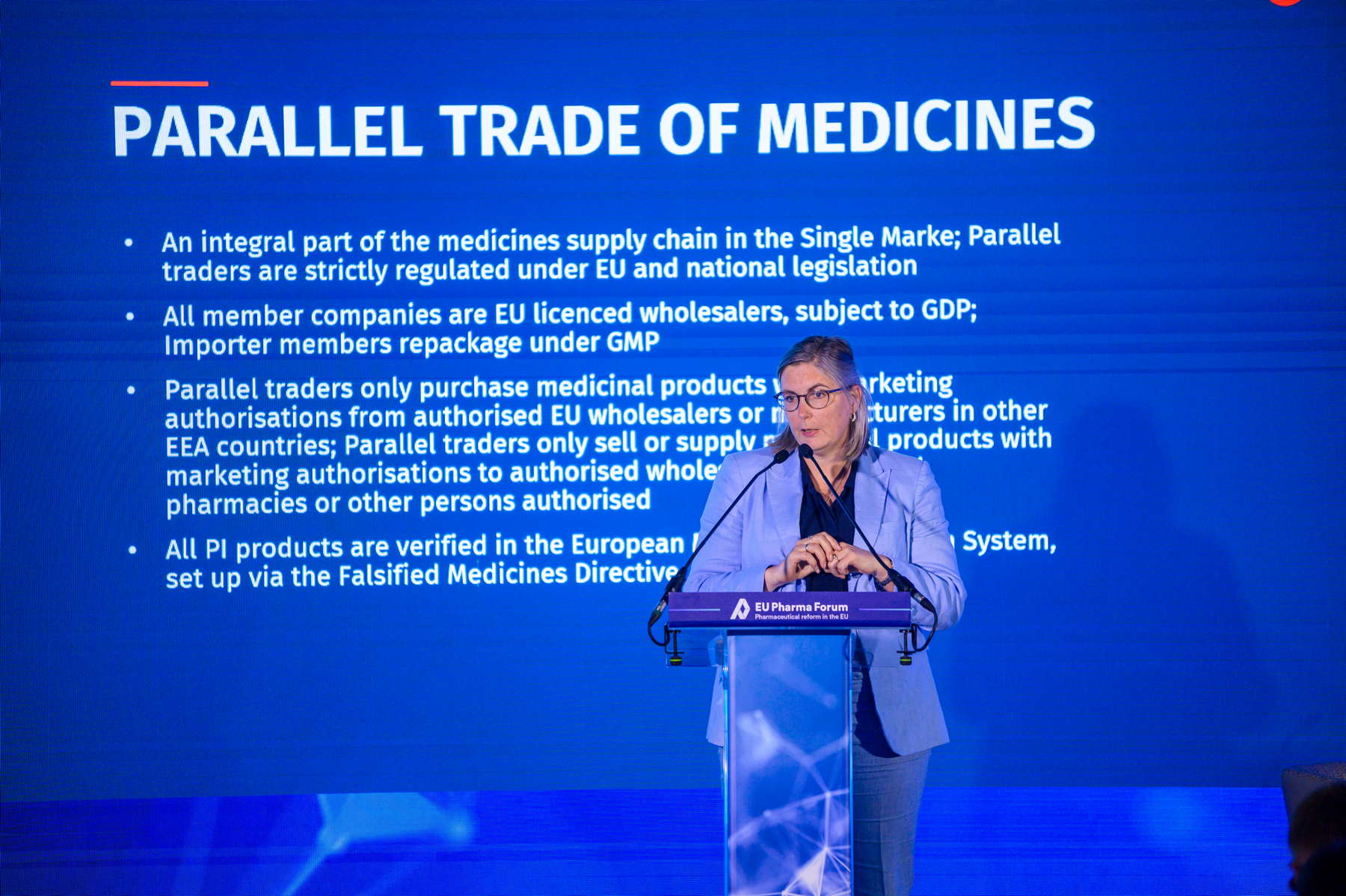
A well-functioning Internal Market is essential to unlock the full potential of savings for national healthcare systems delivered by parallel trade. It is equally important to prevent and remove unnecessary and disproportionate import/export restrictions that distort the market and can reduce the availability of medicines.

Protecting regulatory data is essential to safeguard sustainable investment in innovation and to consistently deliver new therapies to patients.

This conference is strategically important, and it is necessary to bring industry, institutions, and decision-makers together at the same table more frequently so that processes move faster and the adopted documents include all stakeholders and address the challenges they face from patients and the healthcare system to the pharmaceutical industry and legislation.